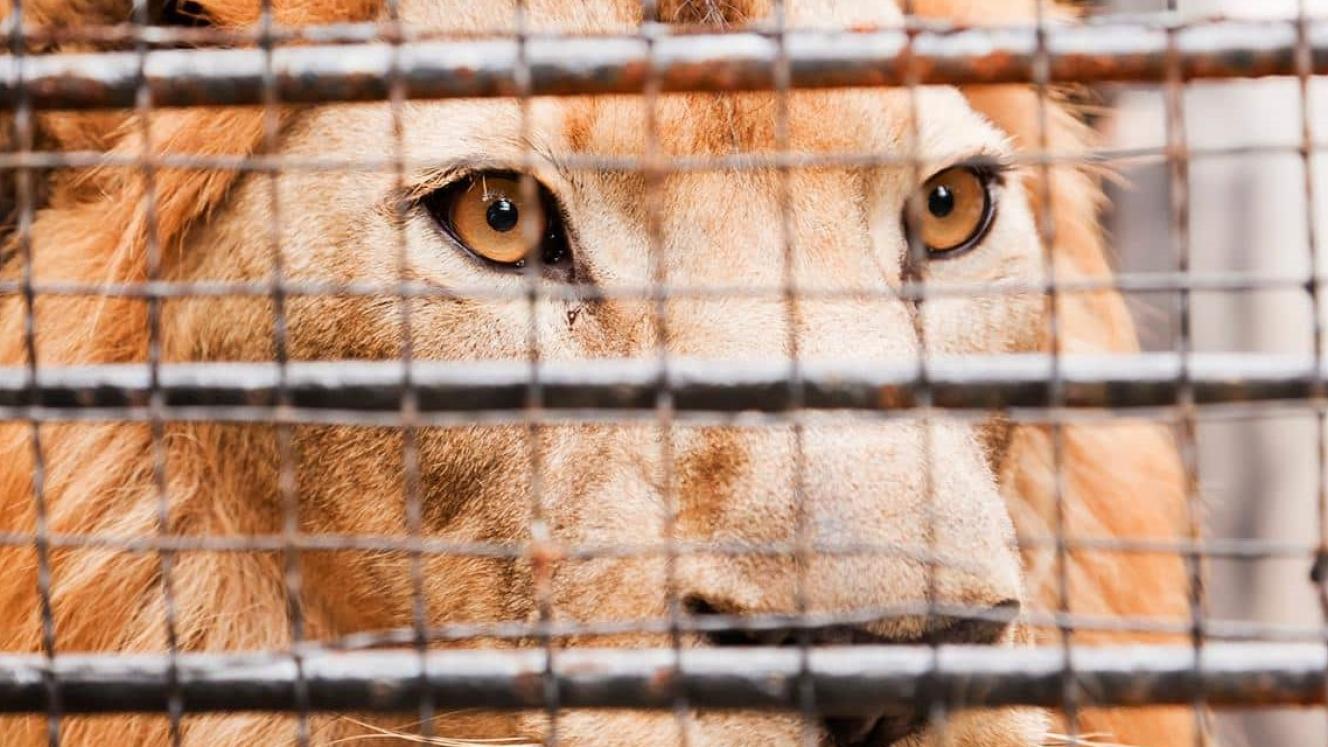
More than five years after government committed to phasing out South Africa’s commercial captive lion industry, breeding and hunting continue while the Department of Forestry, Fisheries and the Environment (DFFE) has yet to provide a timeframe for completing the process.
The phase-out has advanced through several policy and legislative steps since 2021, including a 2024 policy position calling for an end to the commercial keeping and exploitation of captive lions and the closure of captive lion facilities.
In 2025, then DFFE Minister Dion George proposed prohibiting the establishment of new captive lion facilities for commercial purposes. However, the prohibition targets new facilities and does not automatically close existing operations holding valid permits.
The next steps are unclear following a change in political leadership.
Asked whether newly appointed DFFE Minister David Maynier had reviewed the existing policy and implementation process and whether he remained committed to phasing out the commercial captive lion industry, the DFFE told Tourism Update: “The minister is in the process of being briefed on this complex and technical issue and a way forward will be determined in due course.”
Industry continues
Ian Michler, Director of the documentary Blood Lions and Founder of Invent Africa Safaris, said closing the industry is always going to be a lengthy process after decades of regulatory inaction.
“The closure process also continues to be hindered by vested interests and the fact that we have had four different ministers since the government first announced the closure in 2021.” Barbara Creecy, Dion George, Willie Aucamp and David Maynier have held the environment portfolio since the phase-out process began.
Michler said it remains difficult to establish exactly how many captive lion facilities are operating.
“As has always been the case, the exact number of facilities remains murky. But we do know that breeding and hunting continue despite a slowdown in these activities after then Minister Creecy made her announcement of closure in 2021.”
What still needs to happen?
One of the outstanding steps is the proposed prohibition of new commercial captive lion facilities, which Michler said awaits ministerial action.
“It is my understanding that an order sits on ministerial desks waiting to be signed. We just need a minister who has the vision to continue with what has been a transparent and scientific process towards closure.”
He said preventing new facilities would be only the first step.
“Firstly, we need an end to new facilities and this to be followed with an end to all commercial breeding. These steps must be enacted through the legislative process. The final step will be a timeline on full closure of facilities that are not registered as legitimate sanctuaries.”
Government has also developed a voluntary exit approach for existing operators. A ministerial task team established by the DFFE identified voluntary exit options and pathways for the industry, including measures dealing with lion bone stockpiles and derivatives.
Michler said the approach provides a route towards closure but implementation remains the challenge.
“The scientific and conservation community, among other sectors, were clear about the need for closure. Political obstruction and the power of vested interests are seemingly the biggest obstacles to full implementation.”
Tourism reputation
For South Africa’s tourism industry, Michler argued that the issue extends into the country’s international wildlife tourism reputation.
Rather than focusing solely on the reputational damage caused by captive lion activities, he said South Africa should consider the international response if it successfully completes the phase-out.
“I prefer to look at this issue from the flip side. Imagine the praise and kudos South Africa will get when they do finally close these activities down.”
The phase-out stems from recommendations of a government-appointed high level panel, which in 2021 recommended that South Africa should not captive breed lions, keep lions in captivity or use captive lions or their derivatives commercially.
More than five years later, Michler said government needs to maintain momentum.
“We are now over five years down the line with obstructionism clearly playing a role. Government needs to do the right thing and continue what they started.”