In the news
Frogging Safaris on offer at The Dunes
In a bid to address the declining numbers of frog species, The Dunes Country House in St Francis has introduced frogging safaris, where guests, armed with gum boots, headlights and an in-house frogging enthusiast, will set off to explore local frog hot spots.
All funds generated will go towards the eradication of alien plant species which will enlarge and protect the wetlands, the habitat for 13 frog species.
On the safari, frogs will be identified, listed and returned to the water. It starts at sunset when guests will head off to Thula Moya, a private nature reserve. Once frogs are caught, they will be identified, listed and checked over for any signs of ill-health that would indicate pollution, before being released back into the dam.
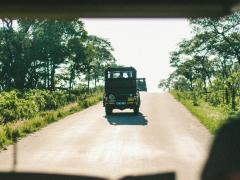
On their return, guests will be able to enjoy a night drive back to The Dunes. At the lodge they will have the opportunity to buy a small beaded frog, handcrafted by previously disadvantaged individuals, with sales going towards wetland restoration efforts.
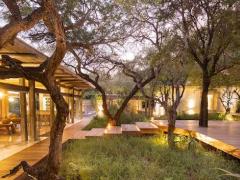
In other news, The Dunes has also opened its new safari lodge, Hillsnek Safaris, an exclusive-use property. It’s been designed for families or small groups who wish to tailor make their safari experience and includes unlimited game drives. The lodge sits just below the site of the first dinosaur fossil discovery in South Africa, Cape Iguanodon.
New interpretative centre for Baviaanskloof
The Baviaanskloof Mega Reserve in the western region of the Eastern Cape has introduced an interpretative centre to enhance visitors’ appreciation of the natural environment that earned the reserve World Heritage Site status in 2004.
The centre overlooks the Cambria Valley and features themed interpretative material including educational displays that showcase the cultural and natural importance of the region, as well as the accommodation and activities on offer.
Amakhala launches Foundation Trust
Amakhala Game Reserve, near Addo, has launched the Amakhala Foundation Trust, an umbrella body under which the reserve’s social development programme and conservation centre will fall.
The aim of the foundation is to contribute to the building of strong communities in the reserve’s surrounds. Some of the projects will include the establishment of early childhood education facilities with bursaries on offer, skills development for existing staff and unemployed members of the community and funding of HIV/Aids-awareness campaigns, counselling, voluntary testing and nutritional support.
On the conservation side, the centre aims to conduct research and monitoring in the reserve, to host environmental education activities and to promote conservation beyond Amakhala’s borders.