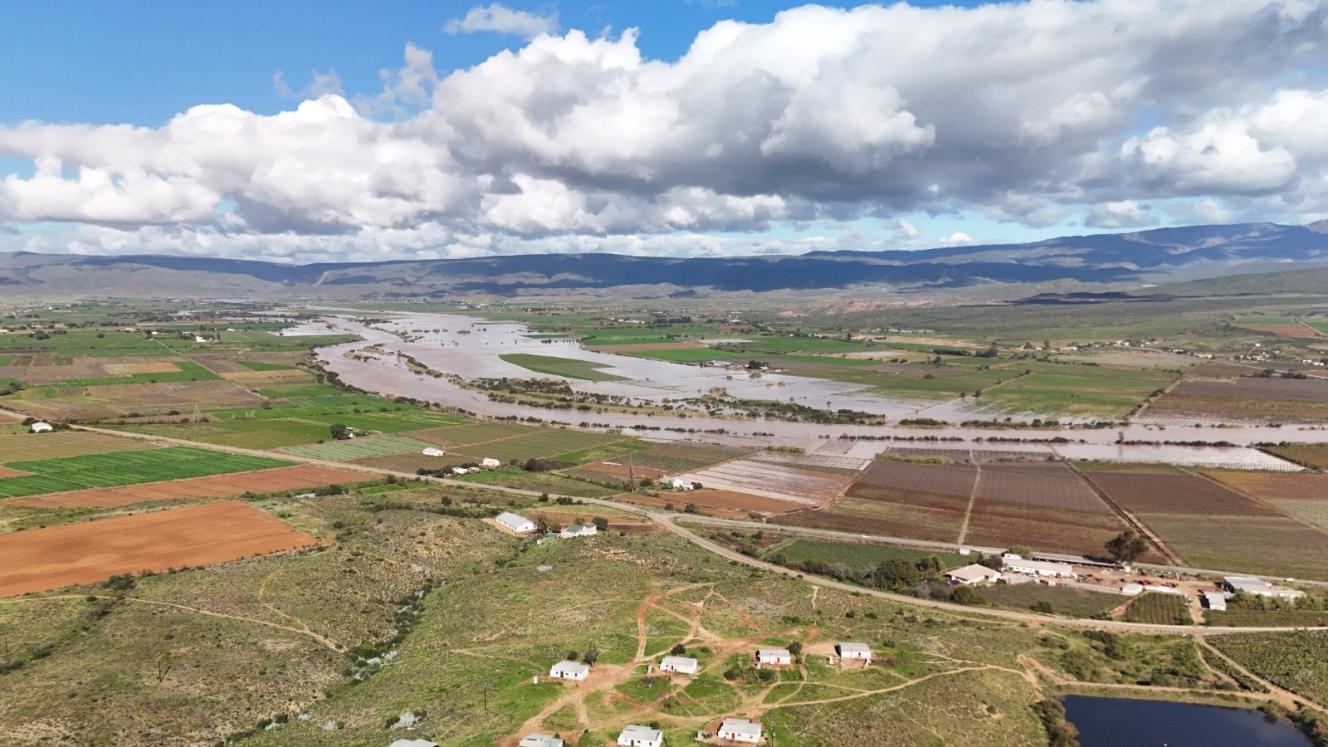
Destinations along the Garden Route continue to recover from the severe storms and flooding that hit the region in May and June. Although urgent repairs are complete, some roads and infrastructure still require further work.
In the Bitou Municipality, the severe weather damaged infrastructure across several areas, including Kranshoek, Harkerville, Kwanokuthula, New Horizons, Qolweni, Bossiesgif, Wittedrift, Kurland, Nature’s Valley and Covie.
“Our beaches, including Central Beach were severely damaged, as well as the Piesang River Road, Old Keurbooms Road, Nature’s Valley Road and Wittedrift gravel road. Most of these damages are repaired, but the Old Keurbooms Road remains closed,” said Andile Namntu, Acting Director of Community Services and Manager Communications at Bitou Municipality.
Hessequa Municipality reported major damage to the low-water bridge that connects Gouritsmond with Vleesbaai in the Mossel Bay Municipal area. The bridge was repaired and opened in late July.
“There was damage to roofs of residential and accommodation facilities and minor damage to walking trails and mountain bike trails. The Gouritz River and the Breede River flooded, which resulted in damage to jetties and washed-up debris at the beaches,” said Richard Dyantyi, Manager: EPWP, Job Creation, District Economic Development and Tourism.
In Mossel Bay, accommodation providers avoided major damage, although some businesses in the area reported cancellations and reduced visitor numbers.
Accommodation providers said cancellations were based on weather forecasts, with tourists either cancelling before arrival or choosing to leave before the storms arrived. In some cases, they were not able to reach the accommodation due to road closures and flooding.
Access roads across the entire region were a concern that required urgent attention. “The access road between Oudtshoorn and the Cango Caves, the roads to Gamka East, the Kammanassie, De Vlught and Wittedrift were high on our priority list,” said Gerhard Otto, Garden Route District Municipality Manager: Disaster Management.
He said municipal roads and stormwater structure damages amounted to the majority of the costs (more than R430 million), followed by water related infrastructure (just over R195 million), sanitation infrastructure (exceeding R68 million) and electrical infrastructure (R16 million).
In comparison, Dyantyi said the greater George area and key tourism destinations experienced limited disruption.
“Across George, numerous walls and roofs were damaged but to the best of our knowledge, there were no serious incidents that significantly affected day-to-day operations or essential services.”
Repairs continue
While urgent repairs have restored access and essential services, further upgrades are still under way.
“In George, repairs, restoration and upgrades are continuing throughout the area, ensuring that George and its surrounding tourism destinations are ready to welcome visitors and deliver a successful summer season,” said Dyantyi.
Across the Garden Route and surrounding areas, Otto said permanent repairs would only be done once disaster grant applications had been addressed.
“Most of the repairs have been temporary. Urgent service delivery repairs in most areas were completed within three to seven days with road infrastructure taking up to three weeks. Permanent repairs will only be done once disaster grant applications have been addressed.”
Last week, a high-level engagement involving the Western Cape Premier took place to discuss ways of fast-tracking the payment of disaster rehabilitation grants.
Day Zero concerns
The heavy rainfall eased Day Zero water-shortage concerns in parts of the region, although officials warn that the gains could be short-lived.
“The water restriction in Bitou is lifted. We are no longer under level 4 restriction, and our dam is at 97%,” said Namntu.
However, Otto said they remained cautious. “For towns with bulk storage dams the rainfall put us in much better position. We also noticed a remarkable increase in groundwater levels, but with a predicted super El Nino from October we remain cautious,” said Otto
He said the Southwestern Cape had already observed the lowest rainfall on record for July.
“We live in a water scarce area and even at full storage, dam capacity in towns like Knysna and Bitou only have three months of water in storage at their normal rate of abstraction. Should river levels drop in these areas the situation could worsen very quickly.”