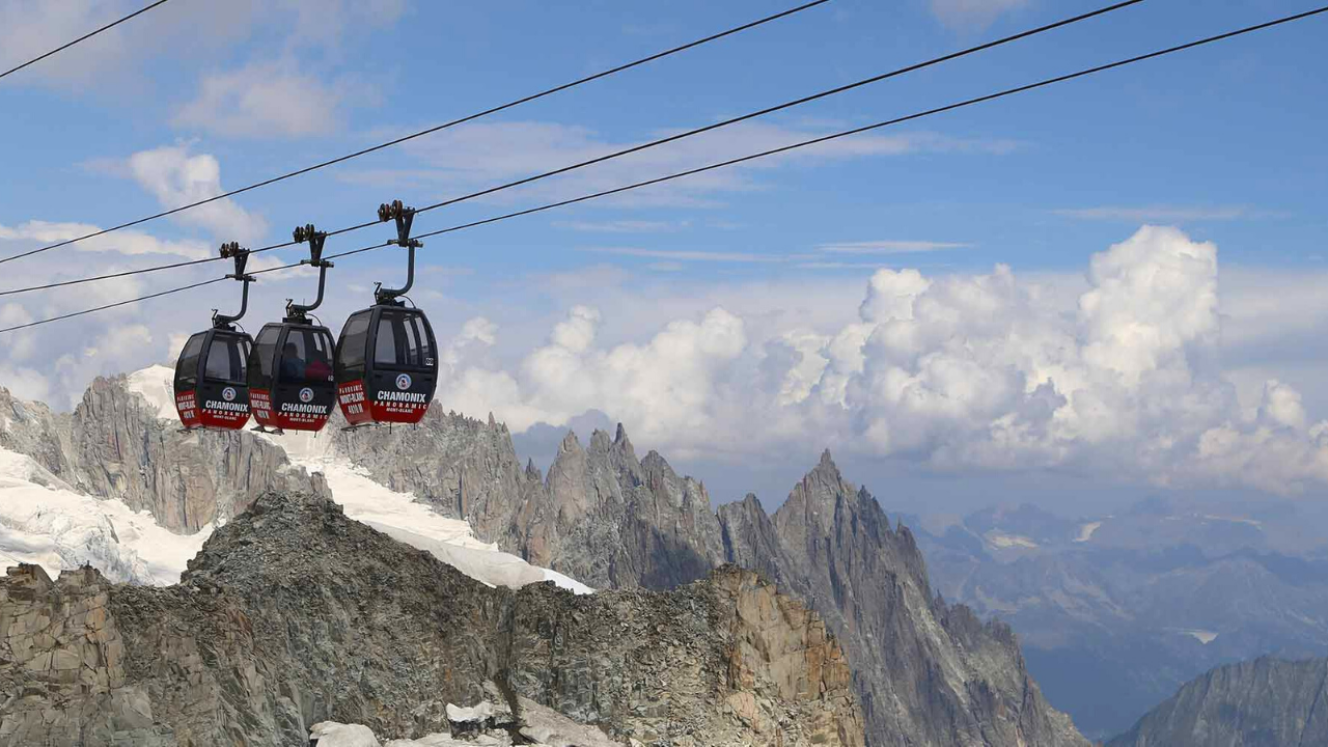
The Tanzanian government says it is advancing its long-running proposal for a cable car on Mount Kilimanjaro with an investor now identified and preliminary preparations underway as the government engages with UNESCO about the project.
Tanzania’s Ambassador to France and Permanent Representative to UNESCO, Saidi Othman Yakubu, visited Kilimanjaro National Park in August for discussions on the proposed Machame Gate-Shira Station route.
The development marks fresh movement on a project first proposed in 2019. It has faced years of opposition from sections of Tanzania’s tourism industry and conservation groups. When Tourism Update reported on the proposal in 2022, Tanzania National Parks Authority said consultation with UNESCO and other bodies was ongoing and no organisation had approved the cable car.
Avan Kilimanjaro has since been identified as the proposed investor while preliminary preparations for the project have reportedly been undertaken. However, the project has not reached construction stage and no date has been announced for operation of the cable car.
The proposed cable car would link Machame Gate with Shira Station rather than extending to Kilimanjaro’s summit. The government has argued that the project would give visitors access to part of the mountain without undertaking the conventional multi-day climb. Authorities and supporters of the project say this could broaden access to Kilimanjaro, particularly for older visitors, people with limited mobility and others who may not be able to complete a demanding trek.
Community and conservation concerns
However, opponents remain concerned about the potential impact on the mountain environment and the livelihoods supported by Kilimanjaro’s trekking industry.
A conventional Kilimanjaro expedition generally lasts between five and seven days and involves guides, porters, cooks and other support staff. Industry representatives estimate that a single climber can generate work for as many as 10 local people during an expedition.
The economic impact extends beyond the mountain, supporting hotels, restaurants, transport services, equipment suppliers and tour companies in surrounding communities.
The International Union for Conservation of Nature, an official advisory body to the UNESCO World Heritage Committee on natural heritage, has expressed serious reservations. In its 2020 Conservation Outlook Assessment for Kilimanjaro National Park, the IUCN classified the proposed cable car as a “very high threat”.
The assessment also raised concerns about the visual and aesthetic impact of permanent infrastructure on the mountain and the possibility that increased visitor numbers could place additional pressure on fragile ecosystems.
Wilbard Chambulo, Chairman of the Tanzania Association of Tour Operators, has strongly opposed the proposed commercial cable car, questioning claims that it would deliver quick financial returns. He argues that Kilimanjaro is a national treasure with value extending beyond commercial gain.
Founding Director of All About Africa Sustainability Consulting Melissa Foley argues that Tanzania should consider alternatives before proceeding with a major cableway.
“The question is not whether Tanzania has the right to develop Kilimanjaro but whether the long-term environmental, social and economic costs of a cableway outweigh its benefits,” she says.
Foley points to specialised equipment, adapted routes and trained local mountain crews as possible ways of enabling more differently abled travellers to experience Kilimanjaro. Such measures, she argues, could improve accessibility while supporting skilled employment and keeping a greater share of tourism income within communities around the mountain.
The Kilimanjaro Responsible Trekking Organization (KRTO) has taken a similar position, arguing that the discussion should not be reduced to a choice between development and conservation. Instead, KRTO says, the focus should be on how tourism growth can generate lasting benefits for Tanzanians while safeguarding the mountain.
“KRTO recognises the importance of continued investment in Mount Kilimanjaro as one of Tanzania’s most valuable tourism and natural assets,” the organisation said. “As future development opportunities are considered, we encourage careful assessment of environmental impact alongside the long-term potential for decent jobs, liveable wages, skills development and greater economic participation for the communities whose livelihoods depend on the mountain.”
KRTO has also urged authorities to examine international approaches to accessible adventure tourism, including adapted trekking experiences and specialised equipment.