Stellenbosch’s famous oak-lined streets are under threat from the spread of the invasive polyphagous shot hole borer (PSHB), raising concerns about the impact on the town’s historic landscape and visitor experience.
An infected tree is rapidly killed after becoming infected by the beetle. Oaks are particularly susceptible.
“Many of the affected trees are concentrated in our historic centre, including Dorp, Church, Plein, Andringa and Ryneveld streets, which are also some of the area’s most frequently explored by visitors on foot,” said Elmarie Rabe, General Manager of Stellenbosch Wine Routes.
“Some of these trees are part of our living heritage. The historic oaks in the town centre are recognised as living national monuments. They connect our built heritage with the natural landscape and create the shaded, walkable streets that make exploring Stellenbosch such a distinctive experience. Once a mature tree is lost, the landscape cannot simply be recreated overnight.”
Stellenbosch Wine Routes has partnered with Stellenbosch Municipality and the community to replant trees in the historic centre through the Plant an Oak programme aimed at preserving the character of the streets that form part of the visitor experience.
“Replanting began in the historic centre, including Plein, Church and Dorp Streets, and is expanding to other streets and areas over time.”
Rabe noted that the programme intends to ensure long-term resilience.
“Importantly, the programme is not simply replacing like for like. A more diverse selection of oak species, including Turkish, Algerian, Water and Pin oaks, is being planted to create a more resilient future canopy and reduce vulnerability to pests and disease.”
A broader problem
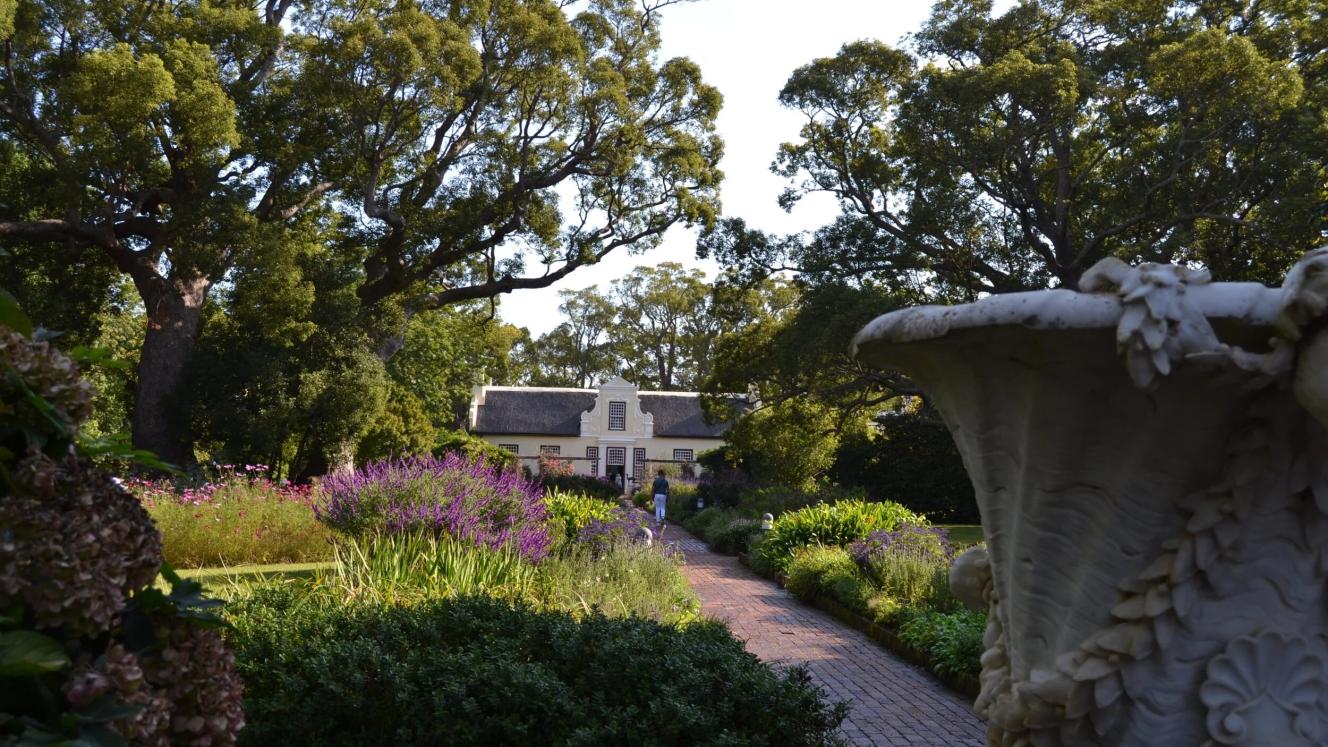
Vergelegen Wine Estate in Somerset West, known for its historic gardens and towering trees, has also been impacted.
“The PSHB was confirmed at Vergelegen in February 2020. Many non-indigenous trees, such as English oaks, were badly affected, including the Royal Oak, planted in 1928. This was grown from an acorn from one of the last surviving medieval oaks at Blenheim Palace in England,” Richard Arm, Gardens Manager at Vergelegen Wine Estate, told Tourism Update.
Arm said loss of mature trees is taken seriously as they are part of the estate’s heritage, biodiversity and landscape.
“Vergelegen’s mature trees are intrinsic to the sense of history and place that visitors experience. The estate has a remarkable collection of historic trees, including an ancient Outeniqua yellowwood, an oak believed to be the oldest in Africa, and five enormous camphor trees in front of the homestead that were proclaimed national monuments in 1942.”
Efforts to manage the infestation have shown promising results. The horticultural team at Vergelegen has worked closely with Stellenbosch University’s Department of Conservation Ecology and Entomology, led by François Roets, establishing a multi-pronged approach to targeting the infestation.
“The research reinforced the importance of early detection, continuous monitoring and a targeted response rather than treating all trees in the same way. It also helped us understand which tree species are more vulnerable and which are more resilient,” Arm said.
Additionally, Vergelegen has committed to planting 1 000 trees every year to replace the lost trees and to developing its 54 hectare arboretum.
Arm is hopeful that the infestation will end soon as nature is curbing the beetle population.
“Natural predators such as birds are now playing their part in eating the insects. Some affected trees are growing back and indigenous trees, in particular, are showing resistance to the beetle. In summary, the worst is over, and now regeneration of existing trees is taking place, bolstered by planting trees best suited to local conditions.”