As consolidation continues across Africa’s safari industry, what does the future hold for independent operators? In this three-part series, Tourism Update explores the opportunities and challenges facing independently owned safari businesses. In Part 1, we speak to Tanda Tula’s Don Scott about the decision to remain independent and the confidence driving the company’s next phase of expansion.
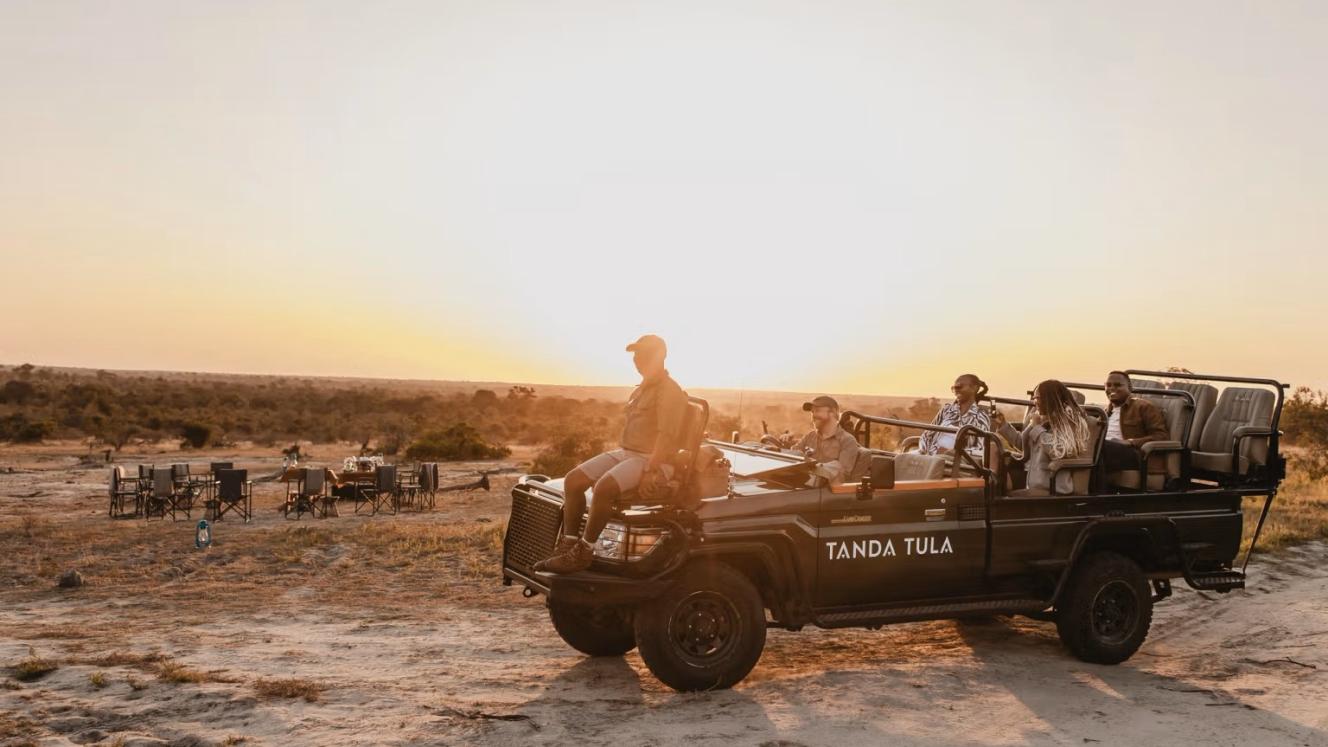
In an era of large-scale buyouts of locally run safari operations to multinational conglomerates, Tanda Tula is investing in a future under independent ownership. Nearly 50 years after its establishment in the Timbavati, the owner-led operation is preparing to expand, confident that demand for independently run safari experiences remains strong.
“The new camp was to be called Tanda Tula.”
This is how Tanda Tula first appears in The White Lions of the Timbavati, a book by Chris McBride, recounting his early research on the white lions of the Timbavati. McBride and his wife, Charlotte, established and ran the camp during its first years of operation.
Since then, Tanda Tula has evolved alongside the safari industry, relocating in the 1990s and later undergoing significant changes to its accommodation and management.
Building a business for the long term
Don and Nina Scott became involved in managing the operation in 2009 and eventually built an owner-led model that includes members of the operational team.
“The only real changes that Tanda Tula went through over the years were at the top. You often see in safari operations that management goes in and comes out very quickly. It’s all very short-term. And we wanted to change that entirely. We wanted longevity because that builds a spirit of family. Our core operational team is in it for the long haul,” says Don Scott.
That long-term approach extends to investment in the camp’s infrastructure.
“We’re quite specific in taking more time and rather spending more on infrastructure, knowing that it needs to hold out for generations. We’ve got something special here. We’re not going anywhere.”
The Scotts remain closely involved in the day-to-day running of the operation. The live near the camps rather than manage the business remotely.
“We don’t want to be sitting in Cape Town or Joburg trying to manage something at arm’s length; it really doesn’t work. Our philosophy is that we want to be at the front end of the battle with a real understanding of how the camp should work.”
The value of independence
This close involvement, Scott believes, is one of the things that distinguishes independently run safari operations from those absorbed into larger international groups. He says, when ownership changes, a camp can lose some of its distinctive character.
“A strong connection between the owners and the team and a long history of hospitality make a strong guest experience because these independent operations know who they are.”
At Tanda Tula, that sense of continuity extends to staff: many have built long-term relationships with the camp and its guests. Scott says this allows the team to deliver a style of hospitality that is relaxed and intuitive rather than formulaic.
“Each person is personally invested in what they’re doing. Our staff get to know the guests. They have personal relationships with them. They share WhatsApp numbers. And that, for me, is the strength of the independent brands.”
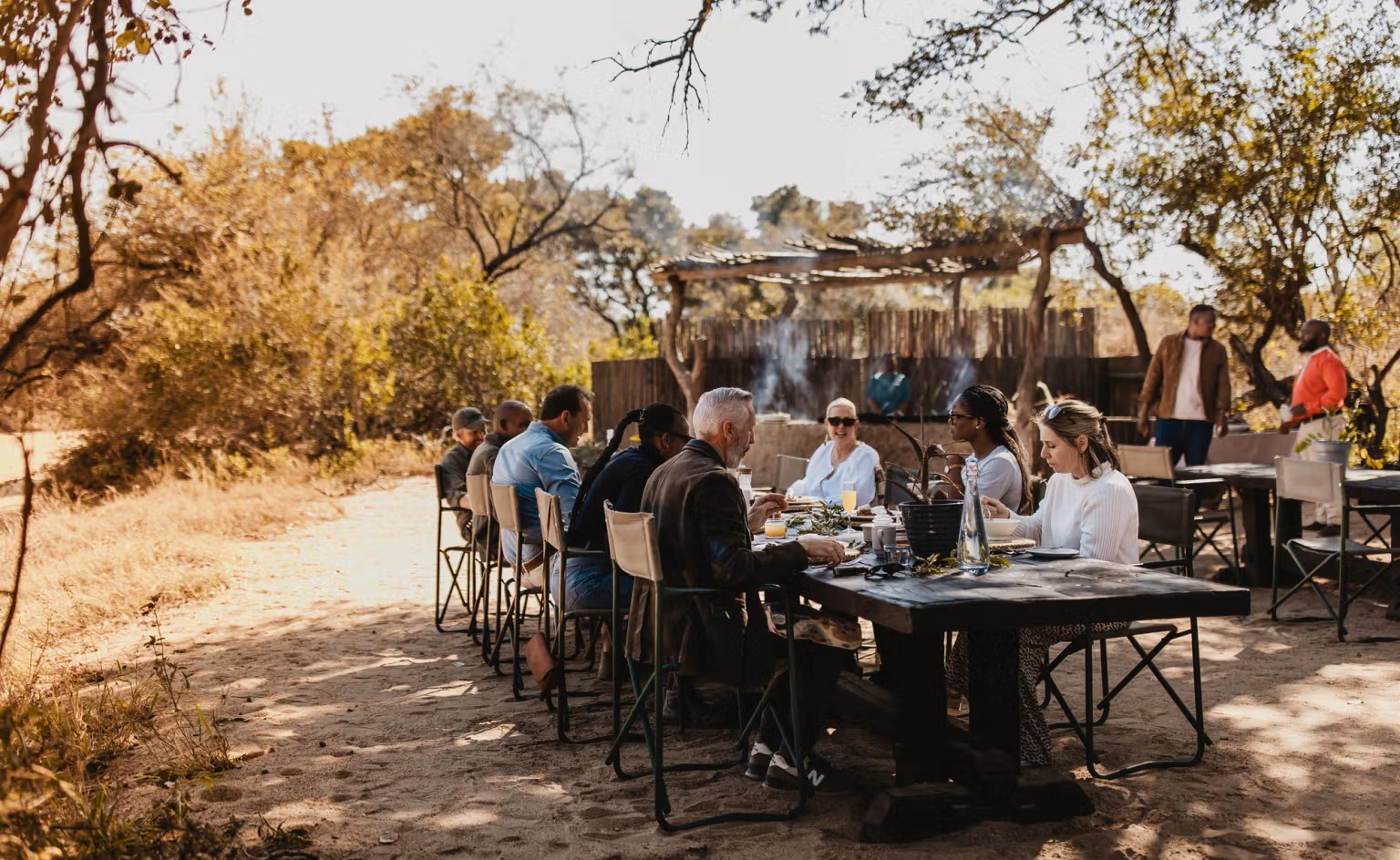
“While there is a market of people looking for consistency across continents a big brand name will give them, there’s just as big a market, if not bigger, for people looking for something unique that drills down the hospitality offering to something that’s a lot more personal.”
Alongside the acquisition of independent operators by larger groups, Scott says he is also seeing a return to locally led ownership models. He points to the Tengile MalaMala Collection, now co-managed by the Saad family and the N’wandlamhari CPA, as an example.
Confidence to expand
For Tanda Tula, confidence in the appeal of its own offering has helped inform its next investment. Scott says the decision to expand came only once the team was satisfied that demand could support the additional capacity.
“We never make a move until we’re sure an investment is being carried by an operation that can handle it. And we are very confident that we will be able to fill the beds because we’ve got a lack of space. In peak season, we could sell this place six times over.”
That confidence follows a period of significant investment in the existing operation. In 2023, the flagship Safari Camp underwent a year-long rebuild while the operation continued from Tanda Tula Plains Camp. Tanda Tula also developed Field Camp: a smaller, exclusive-use option aimed at guests seeking a more immersive wilderness experience.
The team is now preparing for its next phase of growth with Tanda Tula Nkarhi Camp scheduled to open in the third quarter of 2028. However, Scott says the expansion is not simply about increasing capacity. It must also be balanced against the need to protect the low-density nature of the Timbavati.
“Over-tourism is a real shame. And we’re wary about losing the sense of bonhomie our guides have at Timbavati to congestion. But Timbavati has come into its own in the past 20 years. It has a high benchmark for a really serious conservation reserve operation with game viewing that is as good as Sabi Sands.”
Growth beyond the camp
For Scott, managing growth responsibly also means considering its impact beyond the reserve’s wildlife and visitor experience. The planned camp intends to create additional employment and provide scope to expand Tanda Tula’s community initiatives.
“Not only will we be able to double the operational team size but also expand on the community projects we have, providing scholarships for school and university students.”
For Scott, these commitments are closely linked to the advantages of remaining owner-led. Being present in the operation, he says, gives the team a more direct understanding of its employees and the needs of the surrounding community.
While larger corporations may have greater resources to allocate to corporate social investment, Scott believes funding alone does not guarantee contributions will address local priorities. An owner-led operation, he argues, can draw on its ongoing relationships with the community to better understand where support is needed.
That relationship with the people who work at and around the camp is central to the Scotts’ determination to remain independent.
“Our intention is only ever to be independent. I don’t think we would ever consider a buyer from a big conglomerate. We’ve always wanted to share our space but certainly not to be bought out by one of these faceless big brands. The contribution we make to our family of staff is why we are here. It is our reason for being.”